


The NHS website offers an overview of what Endometriosis is as well as guidance on what to expect when seeking support.
Endometriosis
What is Endometriosis?
Endometriosis is a chronic, often painful condition where tissue similar to the lining of the uterus grows outside of it—commonly on ovaries, fallopian tubes, bowels, and other pelvic tissue. While there is no cure, treatments include pain management, hormonal therapies, and surgery.
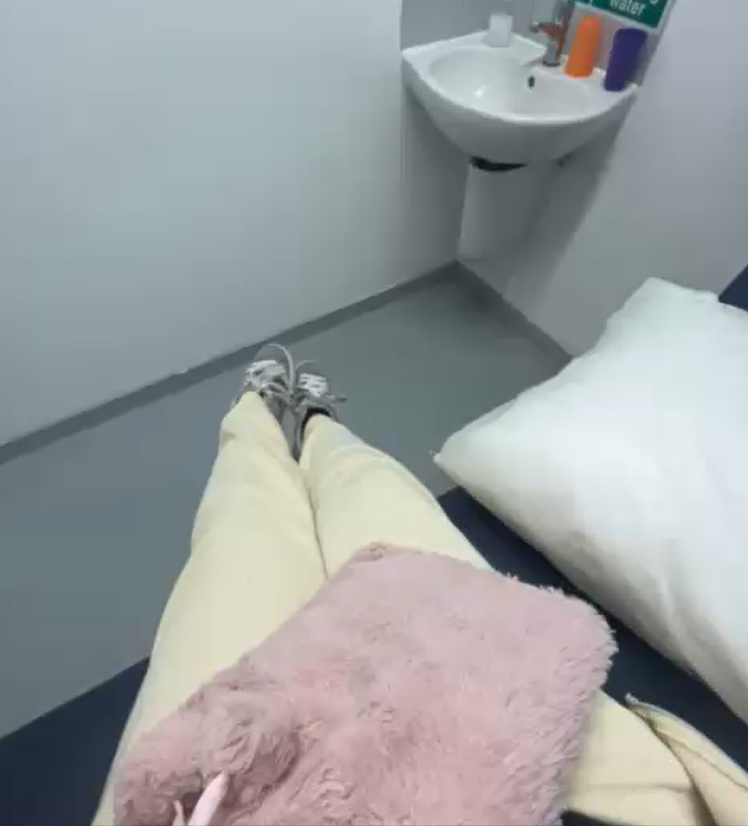
This film by the Menstrual Health Project illustrates what it is like to live with Endometriosis.
What are the effects of Endometriosis?
Endometriosis can cause severe period pains but it’s not ‘just a painful period’. Many people have symptoms outside of their period, including long lasting pelvic pain.
Endometriosis can be lifelong and noticeable every day, effecting different parts of your day-to-day life, including:
· Getting up in the morning
· Walking to school
· Paying attention in class (being too tired)
· Being social
· Eating and appetite (pains, nausea, vomiting)
· Pain with other activities e.g. peeing, pooing or being intimate with a partner
· Family life and relationships, effect on those close to you
How to manage Endometriosis
There is currently no cure for endometriosis and treatment is there to help manage the condition and your symptoms as best as possible. These include pain relief, surgery and hormone treatment. More information is available on the Endometriosis UK website.
Planning your days can be difficult as the pain can leave you unable to join in planned activities, the fatigue from living with endometriosis can leave you unable to participate and not knowing how you will feel the next day can make it hard to plan what to do with yourself.
Importance of being believed and dual diagnosis
Endometriosis can take time and be hard to diagnose (recent data says the average time for diagnosis from first GP appointment is 9 years and 4 months). This means many people are struggling with symptoms and no formal diagnosis for a long time. If you are a friend, educator, parent or other responsible adult it is important to take young people seriously when they share experiences of pain, exhaustion, nausea and discomfort.
If you are diagnosed with endometriosis and are experiencing other issues in your life, it is important that you are getting support for that separately and it is not just assumed that ‘it is just your Endometriosis’.
How to support someone with endometriosis
The Endometriosis Foundation offers information about the importance of taking time to learn about the condition, being a compassionate listener and respecting boundaries, along with tips for supporting someone.
Websites that offer support and information

The Endometriosis Foundation is a patient-led charity built on compassion, collaboration, and lived experiences.
They work directly with people affected by endometriosis to develop and deliver educational resources, community support, and awareness initiatives.
Menstrual Health Project is a UK charity supporting people who experience menstrual health conditions and concerns. Providing educational toolkits in a digestible format, MHP helps people access medically accurate information about menstrual health.

Endometriosis UK are the UK’s leading charity for all those affected by endometriosis, determined to ensure that everyone gets prompt diagnosis and the best treatment and support.
They work to break down barriers to access - whether information, treatment or support - wherever endometriosis impacts on lives.